

Imagine the sizzling sound of rice hitting a hot wok, the aroma of marinated chicken mingling with fresh vegetables, and the rush of nostalgia as you take a bite of your favorite takeout dish made at home. This is the culinary journey of chef Eric Huang, who learned to make fried rice not just as a recipe, but as a memory—a connection to his family's restaurant. Today, we uncover the secret techniques behind the perfect fried rice, blending personal stories with professional wisdom.
The Culinary Background of Fried Rice
Fried rice holds a special place in Chinese cuisine. It’s more than just a meal; it’s a tradition, a memory, and a way to connect with one’s roots. In many Chinese households, fried rice is a go-to dish, often made with leftover ingredients. This practice reflects resourcefulness and creativity, key elements in Chinese cooking. But why does fried rice resonate so deeply with so many people?
Significance of Fried Rice in Chinese Cuisine
To understand the significance of fried rice, consider its history. Fried rice likely originated as a way to utilize leftover rice and other ingredients. This dish showcases the importance of minimizing waste in Chinese culture. It’s a canvas for flavors, textures, and colors. Each bite can tell a story, representing different regions and styles of cooking.
- Versatility: Fried rice can be customized with various proteins and vegetables.
- Tradition: It often appears during family gatherings and celebrations.
- Comfort Food: Many people associate fried rice with home-cooked meals and family bonding.
Chef Eric Huang, a renowned chef and founder of Packing House in Brooklyn, embodies this connection. He states,
"Fried rice isn't just a dish; it's a connection to my heritage and my family’s story."His culinary journey reflects the rich tapestry of fried rice in Chinese culture.
Eric Huang’s Culinary Journey and Restaurant Heritage
Eric Huang’s experience in the culinary world is impressive. Before opening his restaurant, he honed his skills at notable establishments like Eleven Madison Park. This prestigious background shaped his approach to cooking. He learned the importance of high-quality ingredients and precise techniques. Huang’s journey is a testament to the dedication and passion that goes into every dish.
His family’s restaurant heritage also plays a vital role in his culinary philosophy. Growing up in a family that prioritized cooking, he learned the value of tradition and flavor. Each recipe carries a piece of his family’s history. This connection fuels his creativity in the kitchen. It’s no wonder he emphasizes the importance of using day-old rice for fried rice. The starches crystallize overnight, making the rice looser and fluffier. This technique is crucial for achieving that perfect texture.
Comparison of Fried Rice in Restaurants vs Home Cooking
When comparing fried rice from restaurants to home-cooked versions, several factors come into play. Restaurant fried rice often has a distinct flavor and texture that home cooks strive to replicate. What makes restaurant fried rice stand out?
- High Heat: Restaurants typically use powerful wok burners, allowing for intense heat that enhances flavor.
- Technique: Chefs like Huang employ specific techniques, such as "velveting," to ensure tender meat and vibrant vegetables.
- Seasoning: The use of soy sauce, MSG, and even butter adds depth and richness that can be hard to achieve at home.
Huang explains that the intense heat and constant motion during cooking create the coveted "wok hei," or the breath of the wok. This unique smoky flavor is often missing in home cooking. While home cooks can certainly create delicious fried rice, the restaurant experience elevates it to another level.
Ultimately, whether at home or in a restaurant, fried rice remains a beloved dish. It’s a reminder of family, tradition, and the joy of cooking. As Eric Huang’s journey illustrates, the culinary world is rich with stories, and fried rice is one of the most cherished chapters. Each plate served connects the past to the present, celebrating the art of cooking and the bonds we share over food.
Understanding Key Ingredients and Techniques
When it comes to preparing the perfect chicken fried rice, the choice of ingredients and techniques plays a crucial role. Here, we’ll delve into three key elements: the importance of using day-old rice, the technique of velveting chicken, and how to choose the right types of rice for the dish.
1. Importance of Using Day-Old Rice
Why is day-old rice considered the gold standard for fried rice? The answer lies in its moisture content. Freshly cooked rice retains a lot of water, making it sticky and clumpy when fried. In contrast, day-old rice has dried out a bit, allowing each grain to remain separate during cooking. This results in a fluffier texture that's essential for a good fried rice dish.
Chef Eric Huang emphasizes this in his cooking demonstrations. He notes that day-old jasmine rice is particularly effective because the starches crystallize overnight. This crystallization process makes the rice looser and easier to fry. So, if you want to achieve that restaurant-quality fried rice at home, consider preparing your rice a day in advance.
2. Velveting Chicken and Its Texture Benefits
Another technique that can elevate your fried rice is velveting chicken. This method involves marinating the chicken in a mixture of salt, cornstarch, and baking soda. But what does this accomplish? Velveting helps to tenderize the chicken and lock in moisture, resulting in juicy, flavorful pieces that won’t dry out during the high-heat cooking process.
To velvet chicken, start by slicing boneless, skinless chicken breast into thin strips. This technique can also be applied to chicken thighs, which some may prefer for their richer flavor. The combination of ingredients not only enhances the chicken's texture but also gives it a slight bounce, making each bite more enjoyable.
3. Choosing the Right Types of Rice for the Dish
While day-old jasmine rice is a popular choice, it’s not the only option. There are various types of rice that can work well in fried rice dishes. For instance, short-grain rice tends to be stickier, which may not yield the desired result. On the other hand, long-grain rice varieties, like basmati, can also be used, but they may impart a different flavor profile.
Ultimately, the choice of rice can affect the overall taste and texture of the dish. It’s best to experiment and see which type suits your palate. Huang assures that even leftover takeout rice can be a good substitute if prepared correctly.
Summary of Key Ingredients
| Ingredient | Purpose |
|---|---|
| Day-old jasmine rice | Fluffier texture, less moisture |
| Cornstarch | Moisture retention for chicken |
| Chicken cut into strips | Even cooking and texture |
In conclusion, understanding these key ingredients and techniques can significantly enhance the quality of chicken fried rice. By using day-old rice, employing the velveting technique for chicken, and selecting the right type of rice, anyone can create a dish that rivals those found in restaurants.
The method behind marinating chicken and preparing rice is not just about following a recipe. It's about creating a dish that is both flavorful and satisfying. So, next time you're in the kitchen, remember these tips to elevate your fried rice game!
Mastering the Cooking Process
Prepping Ingredients for Quick Cooking
When it comes to cooking, preparation is key. Imagine trying to cook a meal while searching for ingredients. It’s chaotic, right? Instead, prep your ingredients ahead of time. This means chopping vegetables, measuring out spices, and having everything within reach. Not only does this save time, but it also helps maintain focus on the cooking process.
- Chop vegetables into uniform sizes for even cooking.
- Measure out sauces and seasonings before starting.
- Use day-old rice for fried rice; it's fluffier and less sticky.
By having all components ready, she can move swiftly through the cooking process. This is particularly important when using a wok, where timing is everything.
The Significance of Cooking Temperature and Wok Techniques
Cooking temperature plays a crucial role in flavor development. High heat is essential for achieving that coveted "wok hei," which translates to the "breath of the wok." This unique cooking technique allows for intense heat that sears ingredients quickly, locking in flavors. Think of it like a quick hug that keeps all the good stuff inside.
Wok cooking is different from other methods. Here’s why:
- High Heat: Woks are designed to withstand high temperatures, making them perfect for stir-frying.
- Shape: The round bottom allows for even heat distribution and quick movement of ingredients.
- Quick Cooking: Ingredients cook fast, which helps retain their texture and nutrients.
She emphasizes the need to keep the ingredients moving, ensuring they don’t stick and burn. This technique is what gives fried rice its memorable flavor. As Chef Huang aptly puts it,
"Wok hei is the breath of the wok; it’s what gives fried rice its memorable flavor."
Using the Right Oils and Seasonings
Choosing the right oils and seasonings can elevate a dish from ordinary to extraordinary. For wok cooking, oils with high smoke points are essential. Some popular choices include:
- Canola Oil: Neutral flavor and high smoke point.
- Peanut Oil: Adds a subtle nutty flavor.
- Sesame Oil: Best used in moderation for flavoring.
In terms of seasonings, soy sauce is a staple. It’s best to add it around the edges of the pan rather than directly onto the rice. This method promotes caramelization, enhancing the overall flavor profile. Additionally, incorporating ingredients like monosodium glutamate (MSG) can boost umami flavor, creating a richer taste experience.
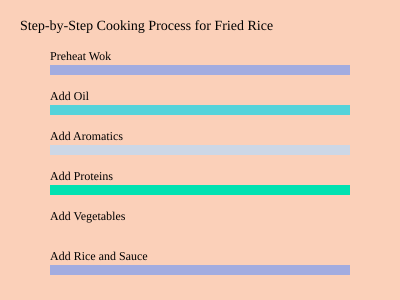
Understanding Wok Cooking Method Overview
The wok cooking method is a time-tested technique that emphasizes speed and high heat. It’s not just about tossing ingredients in a pan; it’s about creating a specific environment where flavors can develop fully. Here’s a quick overview:
- Preheat the Wok: Always start with a hot wok for optimal results.
- Add Oil: Once hot, add oil to prevent sticking.
- Add Aromatics: If using, add garlic or ginger first to infuse the oil.
- Add Proteins: Cook proteins until browned and cooked through.
- Add Vegetables: Incorporate vegetables, ensuring they remain crisp.
- Add Rice and Sauce: Finally, add rice and sauces, tossing quickly.
Importance of Intense Heat for Flavor
Intense heat is vital for flavor development in cooking. When food is cooked at high temperatures, it undergoes a process known as the Maillard reaction. This reaction is responsible for creating those delicious brown crusts on meats and enhancing the overall flavor.
In a wok, this intense heat allows for quick cooking, which keeps ingredients crisp and flavorful. It’s all about that balance—cooking fast enough to lock in flavors while ensuring everything is perfectly done.
Enjoying and Perfecting Your Dish
Fried rice is more than just a meal; it’s a canvas for creativity and flavor. To truly enjoy this dish, understanding when and how to serve it is crucial. Here are some tips to elevate your fried rice experience.
When to Enjoy Your Fried Rice—Serving Tips
Fried rice can be enjoyed at any time. Whether it’s a quick lunch, a side dish for dinner, or a midnight snack, its versatility shines. Here are some serving suggestions:
- Hot and Fresh: Serve it immediately after cooking. The flavors are at their peak when the rice is steaming hot.
- Garnish Wisely: Add fresh herbs like cilantro or green onions on top for a burst of color and flavor.
- Pair It Up: Fried rice goes well with proteins like grilled chicken, shrimp, or even tofu. Consider serving it alongside a light salad or steamed vegetables.
- Make It a Meal: Turn your fried rice into a main dish by adding extra vegetables and proteins. This not only enhances the flavor but also makes it more filling.
Remember, presentation matters. A well-plated dish can make even simple fried rice look gourmet.
Common Mistakes to Avoid
Even seasoned cooks can stumble when making fried rice. Here are some pitfalls to watch out for:
- Using Fresh Rice: Avoid using freshly cooked rice. Day-old rice is ideal because it’s drier, which prevents mushiness.
- Overcrowding the Pan: Cooking too much rice at once can lead to uneven cooking. It’s better to work in batches.
- Neglecting the Heat: High heat is essential. Low temperatures can result in soggy rice. Wok hei, or the breath of the wok, adds that signature smoky flavor.
- Skipping the Prep: Failing to prep all ingredients beforehand can lead to overcooked vegetables. Have everything ready to go!
By avoiding these mistakes, the dish can truly shine. After all, "Fried rice is an art—every grain tells a story of flavor."
Key Takeaways and Personalizing Your Recipe
Fried rice is incredibly adaptable. Here are some key takeaways to keep in mind:
- Choose Your Base: Jasmine rice is popular, but feel free to experiment with brown rice or even quinoa for a healthier option.
- Experiment with Proteins: Chicken, shrimp, or even leftover steak can be delicious additions. Don’t be afraid to try something new!
- Seasoning is Key: Soy sauce is a must, but adding a touch of sesame oil or oyster sauce can elevate the dish.
- Don’t Forget Vegetables: Peas, carrots, and bell peppers are classics, but consider adding broccoli or snap peas for a unique twist.
Personalizing your fried rice allows for creativity. It’s about making it your own. Each cook has a story, and every ingredient adds to that narrative.
In the end, the final touches of fried rice can transform a simple dish into a memorable meal. Whether sharing it with loved ones or enjoying it solo, the experience is what matters. So, next time you prepare fried rice, remember these tips and enjoy the process. Happy cooking!
Conclusion: The Cultural Significance of Fried Rice
As one reflects on the journey of making fried rice, it becomes clear that this dish is more than just a meal. It’s a tapestry of memories, flavors, and cultural significance. For many, fried rice is a comfort food. It evokes feelings of home and family. Each ingredient holds a story. For Chef Eric, it connects him to his roots. He fondly recalls,
“Every bite connects me to my roots, my mom’s kitchen, and the memories we’ve shared.”This sentiment resonates with countless individuals who have experienced the joy of cooking together with loved ones.
Personal Meaning Beyond Taste
Food often carries a deeper meaning than just taste. It serves as a bridge between generations. In many cultures, meals are a way to bond and share experiences. Fried rice is no exception. It embodies creativity and adaptability. Each family might have its own twist on the recipe, reflecting personal tastes and traditions. For instance, Chef Eric’s unique approach to fried rice incorporates techniques learned from his time in professional kitchens, yet it remains rooted in his family’s culinary heritage.
Consider how food can evoke memories. The smell of fried rice sizzling in a pan can transport someone back to their childhood kitchen. It’s a reminder of family gatherings, laughter, and shared stories. This connection to food is powerful. It emphasizes that meals are not just about nourishment; they are about connection. They remind us of where we come from and who we share our lives with.
Encouragement to Experiment
In the spirit of connection, there is a strong encouragement to experiment in the kitchen. Fried rice is an excellent canvas for creativity. It invites cooks to play with flavors and ingredients. Whether adding vegetables, proteins, or unique seasonings, the possibilities are endless. This flexibility makes fried rice an approachable dish for novice cooks and seasoned chefs alike.
Chef Eric’s journey demonstrates that cooking is as much about personal expression as it is about following a recipe. He encourages home cooks to embrace their creativity. Trying new ingredients or techniques can lead to delightful discoveries. Perhaps a splash of soy sauce or a sprinkle of scallions can elevate a dish. The key is to have fun and not fear mistakes. After all, every great chef has had their share of kitchen mishaps.
The Lessons Learned
In summary, the art of making fried rice offers valuable lessons. It teaches the importance of preparation, high-heat cooking, and flavor layering. But beyond technique, it highlights the cultural significance of food. It’s a reminder that every dish tells a story. Each grain of rice carries memories, traditions, and personal journeys. As individuals cook and share meals, they weave their own narratives into the fabric of food culture.
So, the next time someone finds themselves in the kitchen, they should reflect on what food means to them. They should embrace the journey of cooking, whether it’s fried rice or any other dish. The act of creating a meal can be a beautiful expression of love, culture, and personal history. As they experiment and explore, they may discover not just new flavors, but also a deeper connection to their roots and the people they cherish.
In the end, fried rice is not merely a dish; it’s a celebration of life, culture, and the memories we create around the table. So grab a wok, some leftover rice, and start your culinary adventure! Who knows what stories you’ll discover along the way?
