
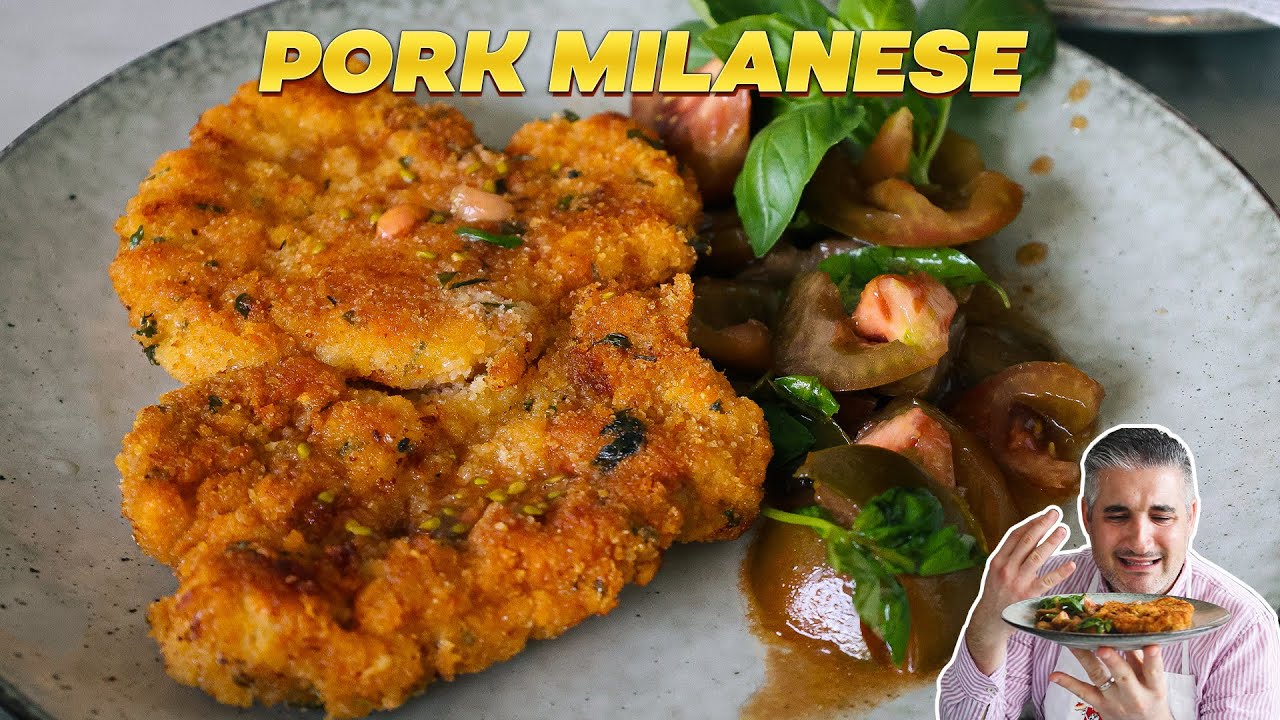

Picture this: it's a busy weeknight, and the clock is ticking. You want to whip up a meal that doesn’t just fill your stomach but tantalizes your taste buds. Enter Pork Milanese—a dish so delightfully crispy it could make a food critic swoon. In less time than it takes to argue over what to order for takeout, you’ll have a gourmet meal ready to impress, and I’m here to show you how.
The Essentials for Perfect Pork Milanese
Understanding the Pork Cutlet
When it comes to making Pork Milanese, the star of the show is definitely the pork cutlet. You want to choose boneless pork cutlets for the best texture and tenderness. A cutlet that’s about 6 ounces each is perfect. Why is this important? A boneless cutlet cooks evenly and is easier to handle. You don’t want to be fussing with bones while trying to enjoy your meal!
Gathering Necessary Ingredients
Before you start cooking, it’s crucial to gather all your ingredients. Here’s what you’ll need:
- Pork cutlets
- Flour
- Bread crumbs (about 6 tablespoons)
- Pecorino cheese or Parmigiano Reggiano (3 tablespoons)
- Chopped parsley
- Eggs
- Lemon
- Salt and pepper
- Sunflower oil or extra virgin olive oil
- Fresh tomatoes for the salad
Don’t forget, the quality of your ingredients matters! Fresh pork cutlets, ripe tomatoes, and high-quality cheese will elevate your dish.
Importance of Freshness in Ingredients
Fresh ingredients can make or break your meal. For instance, fresh tomatoes add a burst of flavor that enhances your salad. You might think, “Aren’t all tomatoes the same?” Not quite! Fresh, juicy tomatoes like kumato can transform your salad from dull to delightful. The same goes for your pork cutlets. Fresh, high-quality meat ensures that your dish is tender and flavorful.
Choosing the Right Oil for Frying
Now, let’s talk about oil. You have a choice: sunflower oil or olive oil. Each has its benefits. Sunflower oil is great for achieving that perfect crunch. It’s light and doesn’t overpower the flavor of the meat. On the other hand, olive oil adds a richer taste to your dish. If you prefer a more robust flavor, olive oil is your go-to. Just remember, the oil you choose can affect the final taste and texture of your Pork Milanese.
To summarize, here are the essential points to keep in mind:
- Use boneless pork cutlets for tenderness.
- Gather all your ingredients before starting to cook.
- Fresh ingredients enhance flavor significantly.
- Choose the right oil based on your desired flavor and texture.
'The crunch is what makes this dish a standout!'
Quick Reference Data
Here’s a quick look at some important data related to your Pork Milanese:
- Pork cutlet size: about 6 ounces each
- Preparation time: under 10 minutes
- Serving size: 2 cutlets per recipe
Chart of Key Data
Below is a chart summarizing the essential data for your Pork Milanese:
| Aspect | Details |
|---|---|
| Pork Cutlet Size | About 6 ounces each |
| Preparation Time | Under 10 minutes |
| Serving Size | 2 cutlets per recipe |
By following these essentials, you will set yourself up for success in making a delicious Pork Milanese. Remember, it’s all about the quality of your ingredients and the techniques you use. Happy cooking!
How to Prepare Your Ingredients
Preparing your ingredients is the first step to a delicious meal. When it comes to making Pork Milanese, each component plays a vital role. Let's dive into the essential steps you need to take to ensure your dish is a success.
1. Flattening the Pork Cutlet: Why It's Important
First things first, you need to flatten your pork cutlet. You might wonder, why is this step so crucial? Well, flattening helps the meat cook evenly and faster. It also enhances the texture, making it tender and easy to chew. Picture this: if you cook a thick piece of meat, the outside may get overcooked while the inside remains raw. Not ideal, right?
To flatten your pork, place it on a sheet of baking paper. Then, grab a mallet or a heavy pan and give it a good whack.
'Get your stress out by smashing that meat!'Just be careful not to overdo it. You want it smooth, not mushy.
2. Mixing the Breadcrumb Coating
Next up is the breadcrumb coating. This is where the magic happens. A well-mixed breadcrumb coating can elevate your dish. Here’s how you do it:
- Combine breadcrumbs with pecorino cheese and chopped parsley.
- Add a sprinkle of salt and pepper.
- Mix it all well to incorporate the flavors.
This mixture will give your pork cutlet a flavorful and crispy outer layer when fried. Remember, the right ratio is key. You’ll need 6 tablespoons of breadcrumbs for every 2 cutlets.
| Ingredient | Amount |
|---|---|
| Breadcrumbs | 6 tablespoons per 2 cutlets |
| Lemon | Half a lemon |
3. Preparing the Egg Wash with a Twist
Now, let’s talk about the egg wash. This step is simple but can make a big difference. Crack an egg into a bowl and whisk it. But here’s the twist: squeeze in half a lemon. Why? Adding lemon can reduce the odor of raw eggs. It brings a fresh flavor and helps to mask any unpleasant smells. Plus, it adds a hint of acidity that complements the dish.
Once your egg wash is ready, you’ll use it to coat the flattened pork cutlets before dipping them in the breadcrumb mixture. This triple-dipping method—flour, egg, breadcrumbs—ensures a crispy and flavorful coating.
4. Chopping Tomatoes for the Side Salad
While your pork is frying, don’t forget about the side salad. A simple tomato salad pairs perfectly with the rich flavors of Pork Milanese. Start by chopping kumato tomatoes into small pieces. This releases their sweet juices.
In a bowl, drizzle some extra virgin olive oil and add a splash of balsamic vinegar. Toss in fresh basil leaves, torn by hand to preserve their flavor. Season with salt and pepper, and mix everything together with your hands for an authentic touch. This salad not only adds freshness but also brightens up your plate.
Properly prepping the pork and salad ensures each component complements the others beautifully, resulting in a harmonious dish. It’s all about balance, flavor, and texture. So roll up your sleeves and get ready to create a delightful meal!
Mastering the Art of Frying
Frying can seem daunting, but it’s an essential skill every home cook should master. Whether you're preparing a crispy Pork Milanese or a simple batch of fried vegetables, understanding the basics of frying will elevate your cooking game. Let’s dive into the key aspects that will help you achieve that perfect golden crunch.
1. Temperature Matters: How to Check Oil Readiness
One of the most crucial factors in frying is oil temperature. If the oil isn’t hot enough, your food will absorb it, resulting in a soggy mess. Conversely, if it’s too hot, the outside will burn before the inside cooks.
- To check if your oil is ready, drop a small piece of bread into the oil. If it sizzles and turns golden in about 30 seconds, you’re good to go!
- Another method is to use a thermometer. The ideal frying temperature is between 350°F to 375°F (175°C to 190°C).
Remember, when you place your food in the oil, it should sizzle immediately. This sound is music to your ears:
'Listen for that crunch, it's music to the ears!'
2. The Shallow Frying Technique
Shallow frying is a fantastic method for achieving that crispy texture without using a ton of oil. This technique is particularly useful for items like cutlets or fritters.
- Use just enough oil to cover the bottom of your pan. Typically, about 1/4 inch is sufficient.
- Heat the oil over medium heat. Too high, and you risk burning your food; too low, and it won't cook properly.
Shallow frying allows for even cooking and a delightful crunch. Plus, it’s easier to manage than deep frying, making it perfect for beginners!
3. Timing for That Perfect Golden Color
Timing is everything when frying. You want your food to turn golden brown, but how do you know when it’s done?
- For most items, frying for about 2-3 minutes on each side will yield a beautiful color.
- Keep an eye on the color change. It’s your best indicator that the food is nearing perfection.
Don’t rush this process. If you flip too soon, you might disrupt the crust that’s forming. Patience is key!
4. What to Look for When Flipping
Flipping your food at the right moment is crucial. Here are some tips to help you know when it’s time:
- Look for a golden-brown crust. If it’s not there, give it more time.
- Gently lift one edge with a spatula. If it releases easily, it’s ready to flip.
- Use tongs for larger pieces. This helps keep the integrity of the food intact.
Flipping too early can lead to a messy situation. Trust your instincts and let the food cook!
Final Thoughts on Frying
Understanding oil temperature and timing is crucial for achieving that golden crunch while keeping the meat juicy at the core. With these tips, you’ll be well on your way to frying like a pro. Remember, practice makes perfect, so don’t be afraid to experiment. Happy frying!
Creating the Perfect Side Salad
When it comes to enhancing your meal, a side salad can be the perfect touch. But how do you create one that stands out? Let’s dive into the essentials of crafting a delicious tomato salad that pairs beautifully with your main dish, especially a flavorful Pork Milanese.
1. Choosing the Right Tomatoes for a Salad
The foundation of any great salad is, without a doubt, the tomatoes. You might wonder, “Which tomatoes should I choose?” Well, let me introduce you to Kumato tomatoes. These tomatoes are not your average variety. They boast a unique sweetness that elevates the entire dish. When you slice into a Kumato, you’ll notice its rich, dark color and juicy interior. It’s like a burst of sunshine on your plate.
Other options include heirloom or vine-ripened tomatoes. Each variety brings its own flavor profile. Mixing different types can add depth and interest to your salad. Just remember, freshness is key. Always opt for tomatoes that are firm and fragrant.
2. Mixing Flavors that Complement the Pork
Now that you have your tomatoes, think about the flavors that will enhance your Pork Milanese. The goal is to create a harmonious balance. Consider adding ingredients like:
- Olive oil: A drizzle of high-quality extra virgin olive oil can bring richness.
- Balsamic vinegar: This adds a touch of acidity, balancing the richness of the pork.
- Salt and pepper: Simple, yet essential for bringing out the flavors.
Mixing these elements will create a salad that not only complements the pork but also stands out on its own. As they say, “This tomato salad is more than just a side; it’s a star in its own right.”
3. Using Fresh Basil for Maximum Flavor
Next up is the herb that will take your salad to the next level: fresh basil. But don’t just chop it up! Instead, bruise the leaves slightly. This technique releases their fragrant oils, giving your salad an aromatic boost. Think of it like waking up the basil—giving it a little nudge to show off its best self.
Simply tear the basil by hand and toss it into your salad. The fresh, peppery notes of basil will beautifully contrast with the sweetness of the tomatoes. It’s like a dance of flavors in your mouth!
4. Tips on Balancing Acidity with Balsamic Vinegar
Acidity is crucial in any salad. It brightens flavors and adds freshness. When using balsamic vinegar, aim for a 2:1 ratio of olive oil to balsamic vinegar. This balance ensures that the salad isn’t too tangy or too oily. You want a light dressing that enhances, not overpowers.
Start by drizzling olive oil over your salad, followed by a splash of balsamic vinegar. Then, sprinkle some salt and pepper. Give everything a gentle toss. This simple dressing will tie all the ingredients together.
Remember, tasting as you go is important. If it feels off, adjust as needed. A little more olive oil? Go for it! A touch more vinegar? Absolutely! You’re the chef here.
5. The Quick Prep
One of the best parts about this salad is its speed. You can whip it up in just 5 minutes. Perfect for those busy evenings when you want something fresh without the fuss. Just chop, mix, and serve!
In summary, creating the perfect side salad involves choosing the right ingredients and balancing flavors. With fresh tomatoes, aromatic basil, and a simple dressing, you’ll have a salad that enhances your meal and delights your taste buds. Enjoy the process and let your creativity shine!
Serving and Enjoying Your Pork Milanese
After putting in the effort to create a delightful Pork Milanese, it’s time to think about how to serve and enjoy it. The final presentation can elevate the dining experience, leaving everyone wondering—did you really make this at home? Here are some tips to ensure your meal is as impressive as it is delicious.
Final Plating Tips to Impress Guests
Plating is an art. When you serve your Pork Milanese, aim for an inviting presentation. Here are some simple tricks:
- Warm Plates: Serve on a warm plate to keep the dish hot longer. This small detail can make a big difference.
- Color Contrast: Arrange the pork cutlet at the center. Add a vibrant tomato salad on the side. The colors will pop and make the dish visually appealing.
- Garnish: A sprinkle of fresh parsley or a lemon wedge can enhance the look. It also boosts the flavor!
Remember, the goal is to make the dish look as delightful as it tastes.
Suggestions for Wine Pairings
Now that your Pork Milanese is plated beautifully, let’s talk drinks. Pairing the right wine can enhance the meal. A light white wine pairs beautifully with the pork. The ideal choice? Pinot Grigio. Its crispness complements the flavors of the dish without overpowering them.
Imagine sipping a chilled glass of Pinot Grigio as you enjoy your meal. The acidity of the wine balances the richness of the pork, creating a harmonious experience. Cheers to that!
Making the Meal Feel Special
Creating a special dining experience goes beyond just the food. Here are some ideas:
- Set the Mood: Light some candles or play soft music in the background. This adds a touch of elegance.
- Engage Your Guests: Share the story behind the dish. Mention how it reminds you of family dinners or special occasions.
- Personal Touch: Consider serving a homemade dessert afterward. It shows effort and care.
These small touches can transform an ordinary meal into a memorable occasion.
Sharing Personal Anecdotes About Family Dinners
Food has a way of bringing people together. Think back to your family dinners. Was there a dish that everyone loved? Perhaps it was a recipe passed down through generations. Sharing these stories can create a bond with your guests. It makes the meal feel even more special.
'This is food for beautiful people - and everyone deserves to enjoy it!'
This quote resonates well when you think about sharing your meal with loved ones. It’s not just about the food; it’s about the connections we make over a shared meal.
As you sit down to enjoy your Pork Milanese, take a moment to appreciate the flavors and the company around you. The satisfying crunch of the coating, the juicy tomatoes, and the perfectly cooked pork all come together to create a delightful experience.
In conclusion, serving and enjoying your Pork Milanese is about more than just the dish itself. It’s about the presentation, the wine, the atmosphere, and the stories shared. With these tips, you can impress your guests and create a meal that feels special. So, gather your friends or family, pour a glass of Pinot Grigio, and enjoy a dining experience that you all will remember. Happy cooking!
